
National data, local impact
Discover environmental quality, community action and volunteering in your constituency. These reports bring together the latest GLÂN data and local insights to highlight key issues, successes and opportunities for positive change.
It is important to note that constituency areas are large and encompass a wide range of geographies and demographics, as do many local authorities. For this reason, direct comparisons between areas are not recommended. For example, the challenges of preventing and clearing litter and fly-tipping in rural areas can differ significantly from those faced in urban settings. In addition, our data covers multiple areas of public land and may therefore reflect the performance of a number of different landowners, not solely local authorities.
Some of the GLÂN data presented below is from 2025, as surveys for this year are still ongoing. A complete dataset for 2026 will be available from December. Should there be interest, Keep Wales Tidy can update this report to incorporate the latest data.
Afan Ogwr Rhondda
Afon Ogwr Rhondda covers parts of the local authority areas of Neath Port Talbot and Bridgend and whilst it contains pockets of high deprivation communities, is also blessed with great beaches, parks and nature. Tailored prevention advice based on our recent GLÂN data provided to the authorities in this area show that transport and commercial areas appear more affected and beach cleanliness is an area for attention. Effective partnerships with Housing Associations in the area are key to both prevention, cleansing and community efforts. We are encouraging all Councils to adopt our Litter Prevention Plans so that we can prevent litter from occurring, promote behavioural change and support improvements to operational efficiency.
- In 2025, 51.6% of sites surveyed met an ‘acceptable’ level of cleanliness. This compares to the Wales figure of 58%.
- From 2025 and so far in 2026, we have counted a total of 17398 litter items across 533 surveys in the Constituency.
- 66.6% of sites had drinks related litter present – an issue which we hope will be much reduced by the introduction of a Deposit Return Scheme. (The figure for all of Wales in 2025 was 56.7%)
- We have counted 3096 drinks related litter so far in the area, 1455 of which were cans.
- 90.8% of sites had food packaging present – expanding the current Extended Producer Responsibility scheme to cover litter would support this reduction. (The figure for all of Wales in 2025 was 82.6%)
- 1424 items of fast food packaging litter and 2733 confectionary items have been counted so far.
- 312 vaping related litter items and 6096 cigarettes have been counted so far.
Local action, national impact
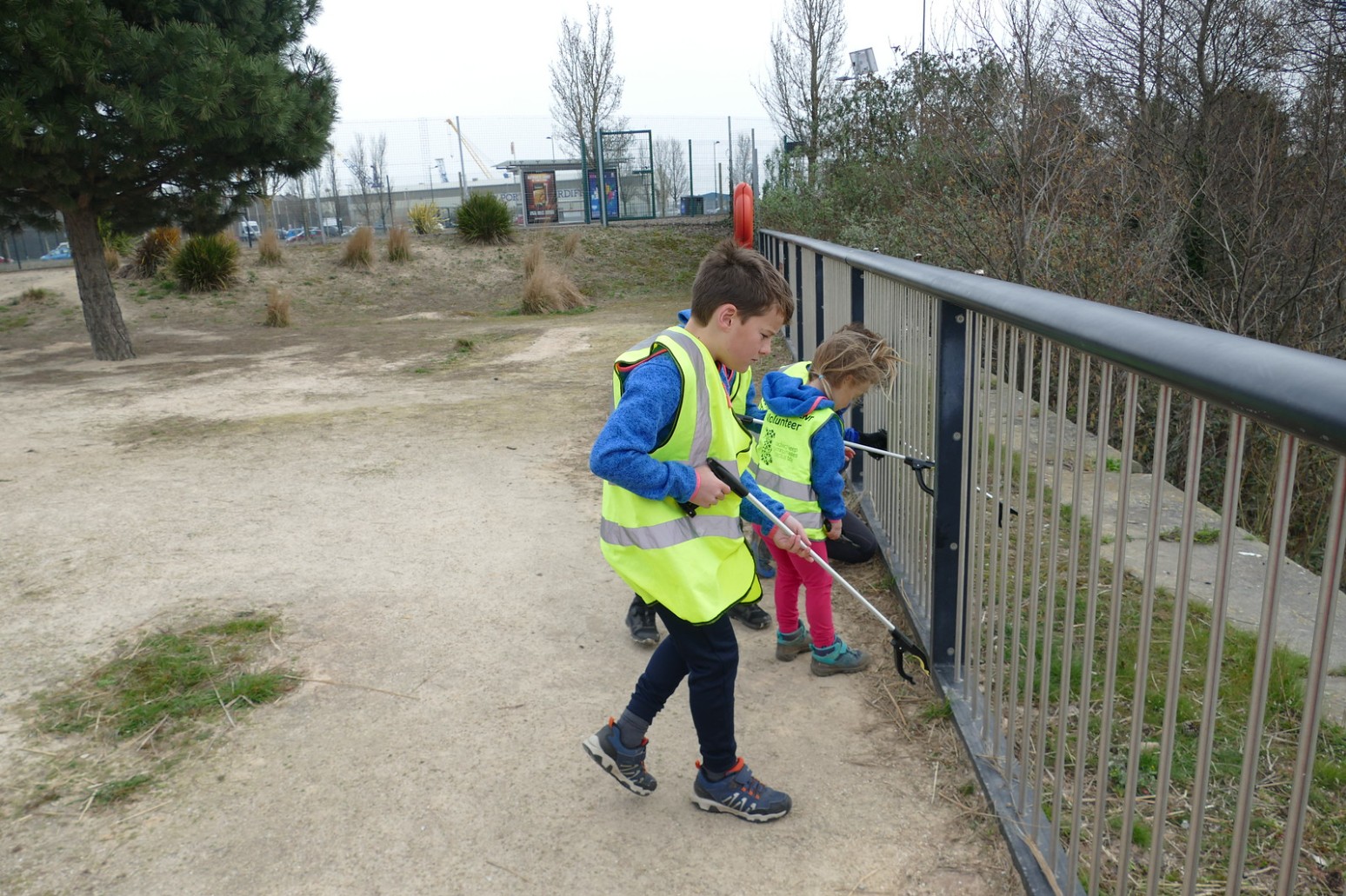
It is fair to say that public landowners across Wales rely heavily on the efforts of volunteers to help keep spaces clean. Keep Wales Tidy supports thousands of volunteering initiatives, but volunteers need ongoing support to sustain and grow their impact. Whether through helping new groups get started, providing equipment, coordinating activities, or celebrating achievements, Keep Wales Tidy’s Community Officers play a vital role in every part of Wales. By supporting residents and communities to improve, enhance and maintain local areas, they help transform spaces into clean, green, high-quality and accessible environments that benefit both people and wildlife.
2025 data for Afan Ogwr Rhondda
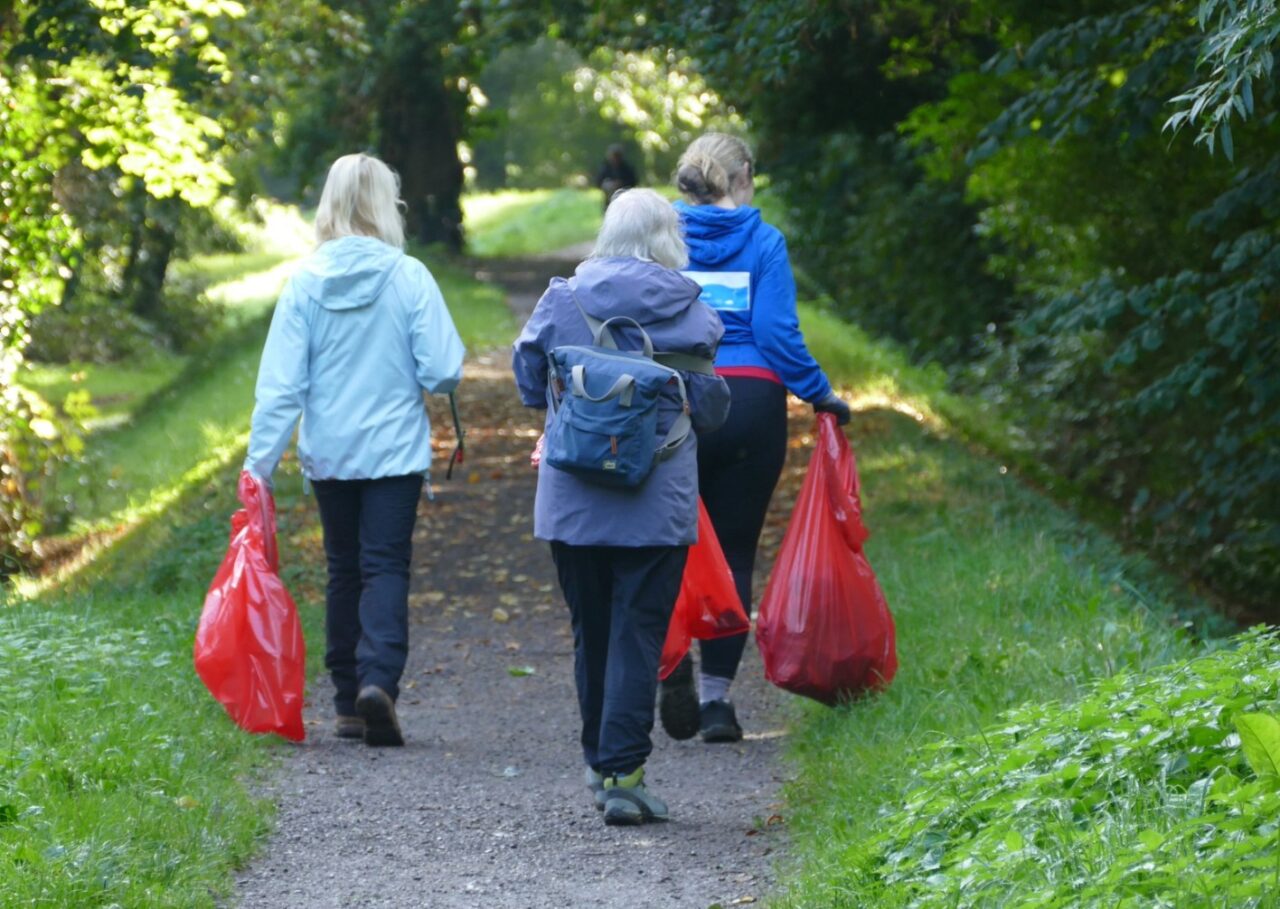
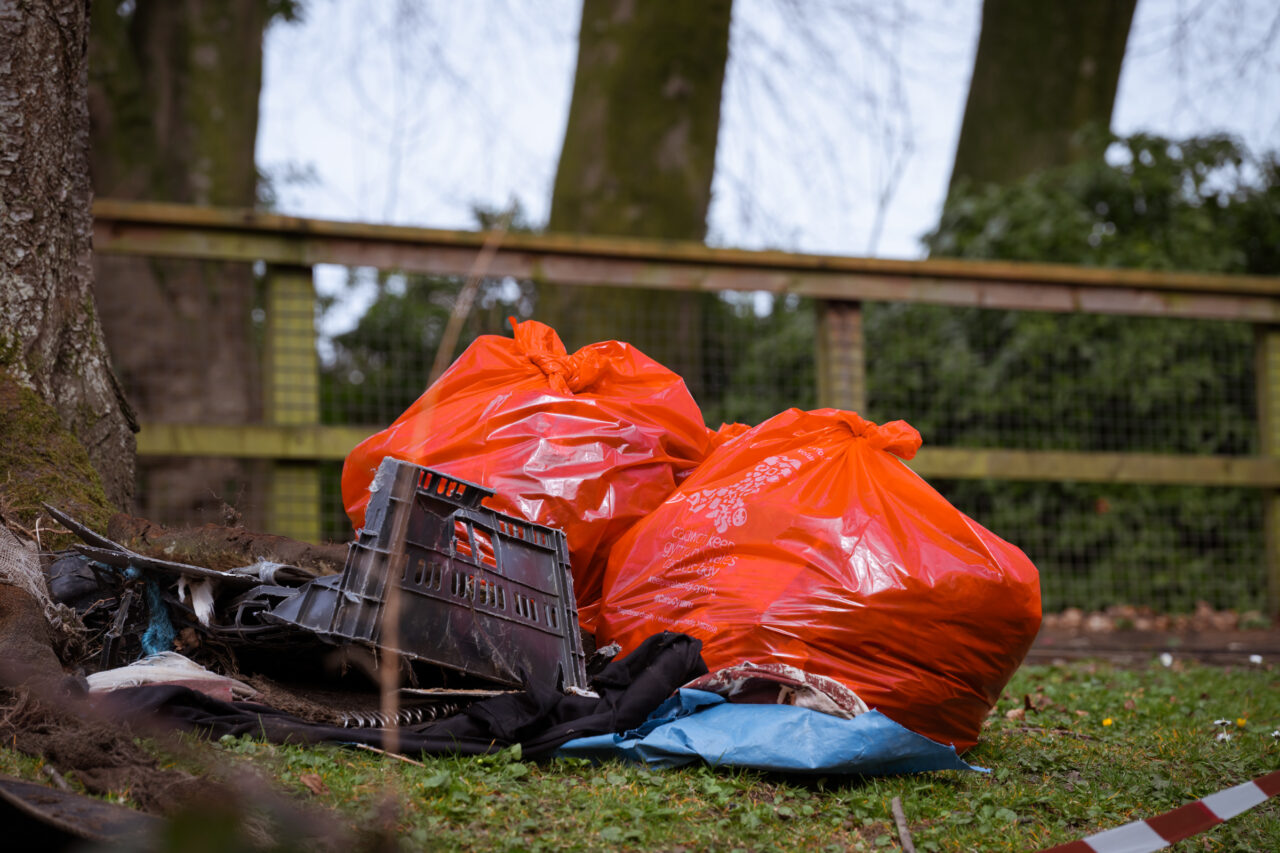
In 2025, 2626 volunteers collected 2685 bags of rubbish from the Constituency area across 907 activities, amounting to over 5266 volunteer hours.
2026 Data for Afan Ogwr Rhondda
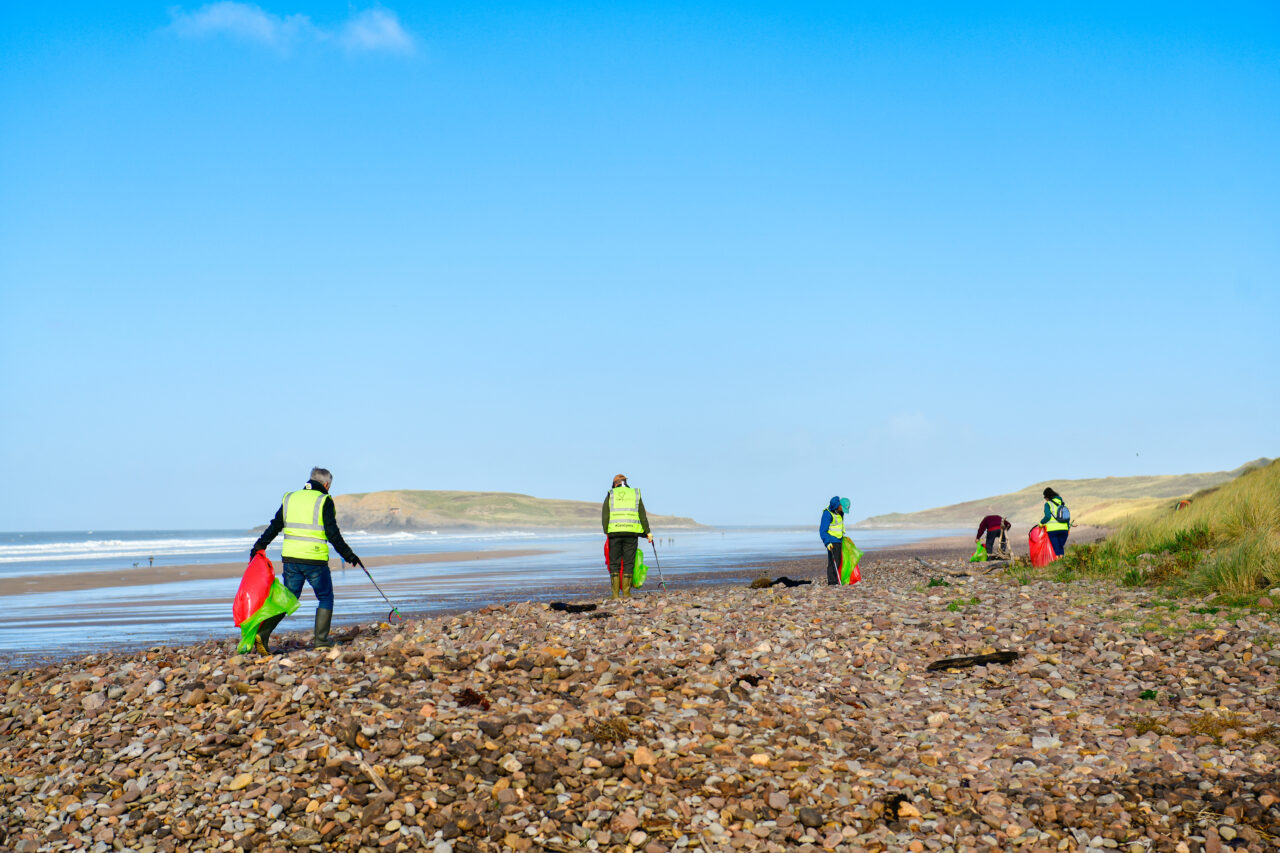
So far in 2026, 2737 bags have been collected from the Constituency area and 972 litter picking activities have taken place with 1972 participants.
What data does Keep Wales Tidy collect?
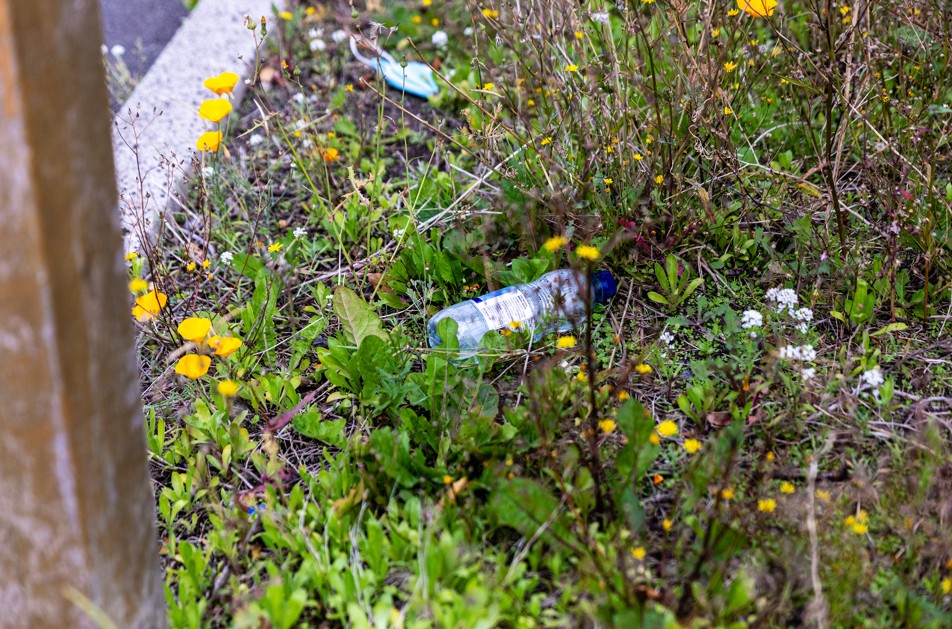
For almost two decades, Keep Wales Tidy has been monitoring litter and local environmental quality across Wales. In 2025, with funding from the Welsh Government, we introduced our expanded Geospatial Litter Analysis (GLÂN) programme, delivering a statistically robust, continuous approach to data collection and monitoring. GLÂN replaces the previous LEAMS surveys and provides a richer understanding of local environmental quality than ever before. It is no exaggeration to say that this represents one of the most comprehensive litter and local environmental quality monitoring systems in the world.
It is important to note that, while we also gather additional information from the many thousands of litter-picking volunteers across Wales, GLÂN surveys are carried out by experienced field surveyors. The methodology has been specifically designed to measure the impact and progress of policy interventions across Wales and within each local authority area.
Through GLÂN, we collect data on more than 70 categories of litter, alongside other local environmental quality (LEQ) indicators such as dog fouling, fly-tipping and graffiti. Surveys cover almost all types of public land, including parks, streets and beaches, with only limited exceptions due to access or ownership restrictions. Recorded litter levels are translated into a recognised grading system used by local authorities and linked to statutory cleanliness standards.
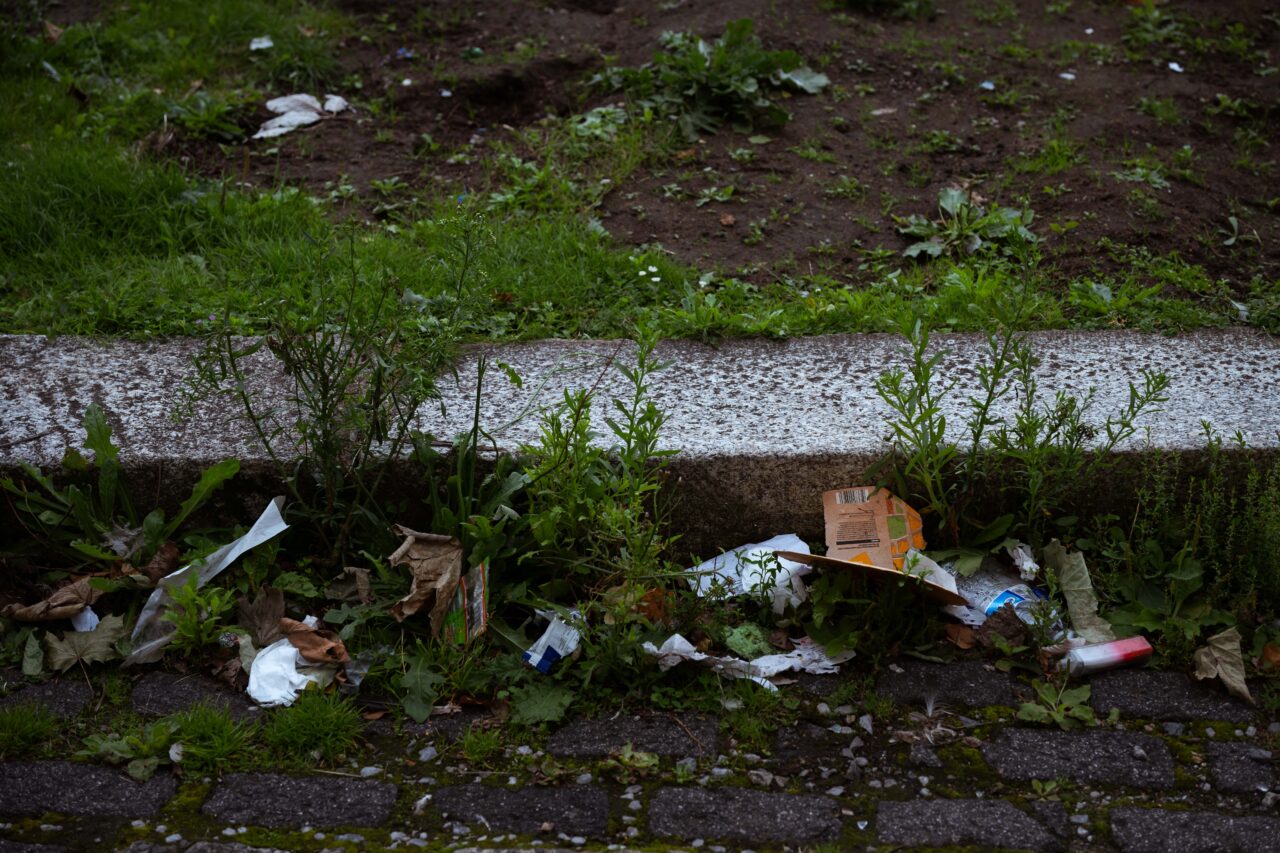
‘Live’ litter data for this year and summarised data from 2025 are available on the Keep Wales Tidy Litter Data page.
You can see our detailed individual current and past surveys through our Welsh Litter Index.
What are the current trends?
Whilst we have seen a general decrease since the baseline in 2007/ 08, certain types of litter have been increasing, mainly food and drink ‘on the go’ as well as new consumer trends such as vapes and N2O cannisters.
Cleansing is a statutory function but has been badly affected by budget pressures in recent years and many councils have move to more reactive services such as responding to complaints rather than being led by the data. This has led to an increasing disparity between areas – with more deprived areas 2.6 times more likely to suffer from adverse local environmental quality.
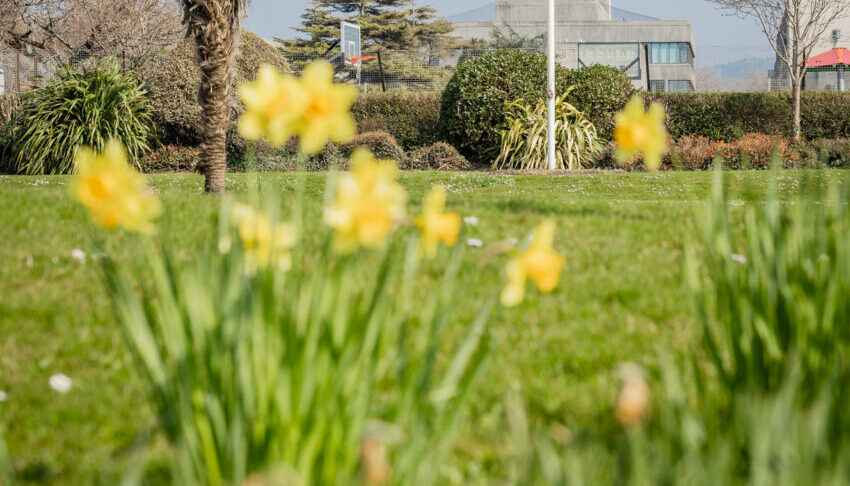
Keep Wales Tidy’s findings from GLÂN indicate that litter continues to be a significant challenge across Wales. In 2025, only 58% of public spaces surveyed met acceptable cleanliness standards, with Wales’s most deprived areas 2.6 times more likely to fail the cleanliness threshold, highlighting persistent inequalities in local environmental quality.
What do we use the data for?
Keep Wales Tidy works closely with the Welsh Government, providing data and insights that support a range of policy and operational priorities. This is primarily through the Local Environmental Quality (LEQ) and Deposit Return Scheme (DRS) teams, which fund the GLÂN programme, but our data also supports other departments. For example, information is shared with the Substance Misuse team to help target harm reduction activity through Local Health Boards.
GLÂN data is shared with a wide range of stakeholders, including local authorities, helping to inform decision-making and drive action on the ground. We have established a notification system that enables partners to respond quickly to significant issues as they arise, improving operational efficiency and supporting timely interventions. We are also working with other public landowners to strengthen collaboration, build partnerships and encourage a more coordinated approach to improving local environments.
Within Keep Wales Tidy, the data informs the work of Community Officers, helping to direct volunteer activity to the areas where it is most needed and identify opportunities to establish new groups. The Policy team, which delivers the surveys, are also specialists in behaviour change. Using GLÂN insights, they provide practical advice on prevention measures, support targeted interventions and produce evidence-based guidance that helps share best practice and drive positive environmental behaviours across Wales.
Would you like to discuss our data?
If you would like to discuss our data or would like more information, please get in touch:
Email us