
National data, Local Impact
It is important to note that Constituency areas are very large and cover a range of geographies and demographics (as indeed do many local authorities). For this reason, it is not recommended to try to ‘compare’ each area to another, rural challenges for litter and fly-tipping prevention and cleansing for example, are very different from the challenges faced in urban areas. In addition, our data covers multiple areas of public land and therefore, may be reflective of a number of different landowners, not just local authorities.
Some of the GLÂN data shown below is from 2025 as surveys for this year are ongoing. A full set of data for 2026 will be available from December and Keep Wales Tidy can update this data report accordingly if there is interest.
Sir Gaerfyrddin
Sir Gaerfyrddin is one of the few constituencies which covers a single local authority. Our data shows relatively good cleanliness scores compared to the Wales average although commercial and transport areas are certainly areas for attention as well as certain pockets of urban areas. Litter issues in the area largely stem from food and drink packaging with roadside litter particularly to note. Whilst issues in the area are not wholly restricted to urban areas, data would suggest that these are the areasf which are the most severe, with Llanelli in particular as a priority area for intervention, not just because of littering itself but the potential for litter to block drains and exacerbate flood risk which is a particular risk in that area.
- In 2025, 64.5% of sites surveyed met an ‘acceptable’ level of cleanliness. This compares to the Wales figure of 58%.
- From 2025 and so far in 2026, we have counted a total of 12478 litter items across 465 surveys in the Constituency.
- 58.2% of sites had drinks related litter present – an issue which we hope will be much reduced by the introduction of a Deposit Return Scheme. (The figure for all of Wales in 2025 was 56.7%)
- We have counted 1590 drinks related litter so far in the area, 732 of which were cans.
- 76.6% of sites had food packaging present – expanding the current Extended Producer Responsibility scheme to cover litter would support this reduction. (The figure for all of Wales in 2025 was 82.6%)
- 1131 items of fast food packaging litter and 1331 confectionary items have been counted so far.
- 251 vaping related litter items and 4971 cigarettes have been counted so far.
Local Action, National impact
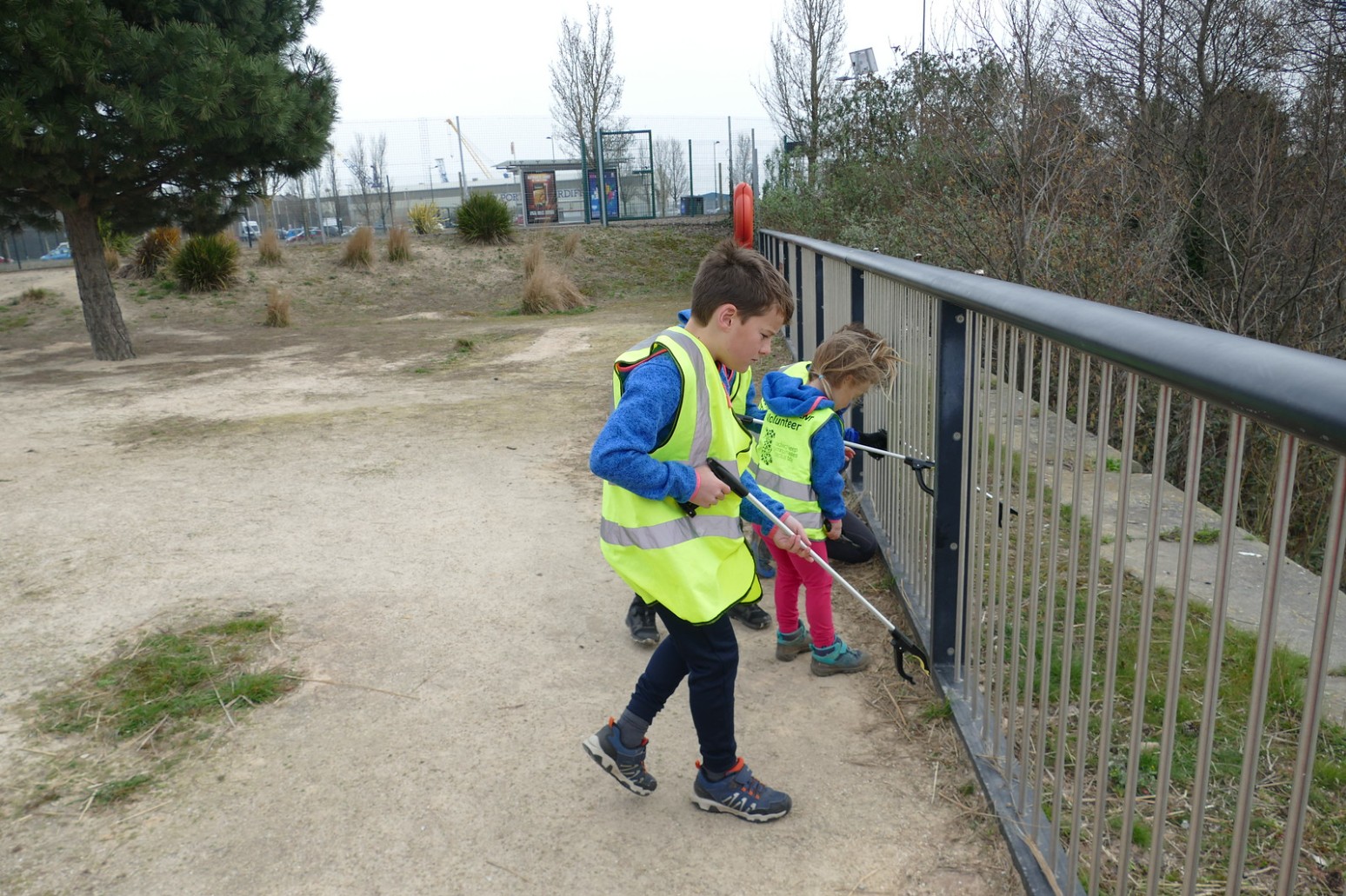
It would not be unfair to say that all public landowners are heavily reliant on volunteer efforts to keep spaces clean. Keep Wales Tidy support thousands of volunteer efforts across Wales but volunteers can’t operate without support to continue and to grow. Whether it is through support for new groups, equipment, coordination or celebration of their efforts, the Keep Wales Tidy community officers in each area of Wales play a critical role in supporting residents and communities to improve, enhance and maintain local areas and transforming spaces into clean, green, high quality and accessible spaces for people and wildlife alike.
2025 Data for Sir Gaerfyrddin
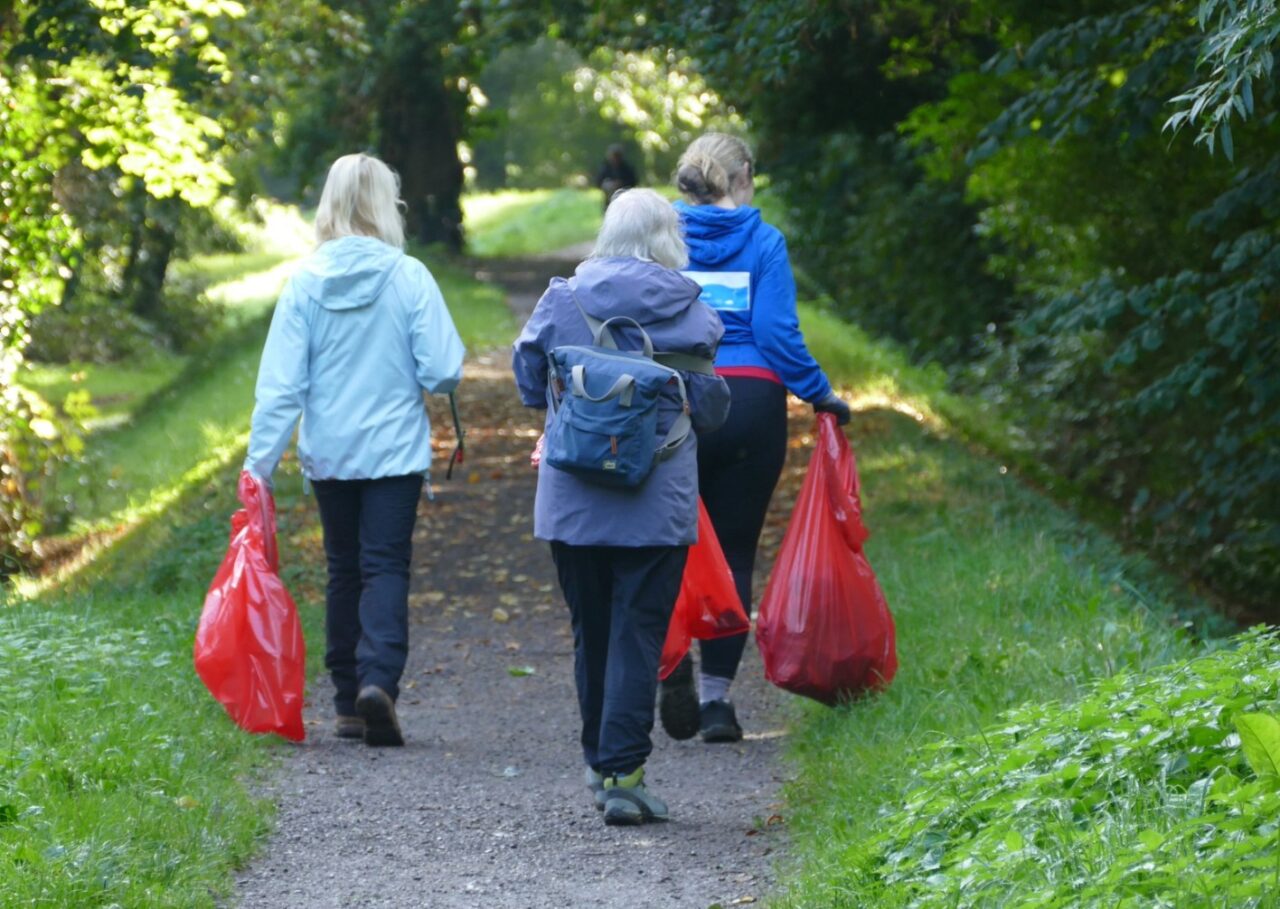
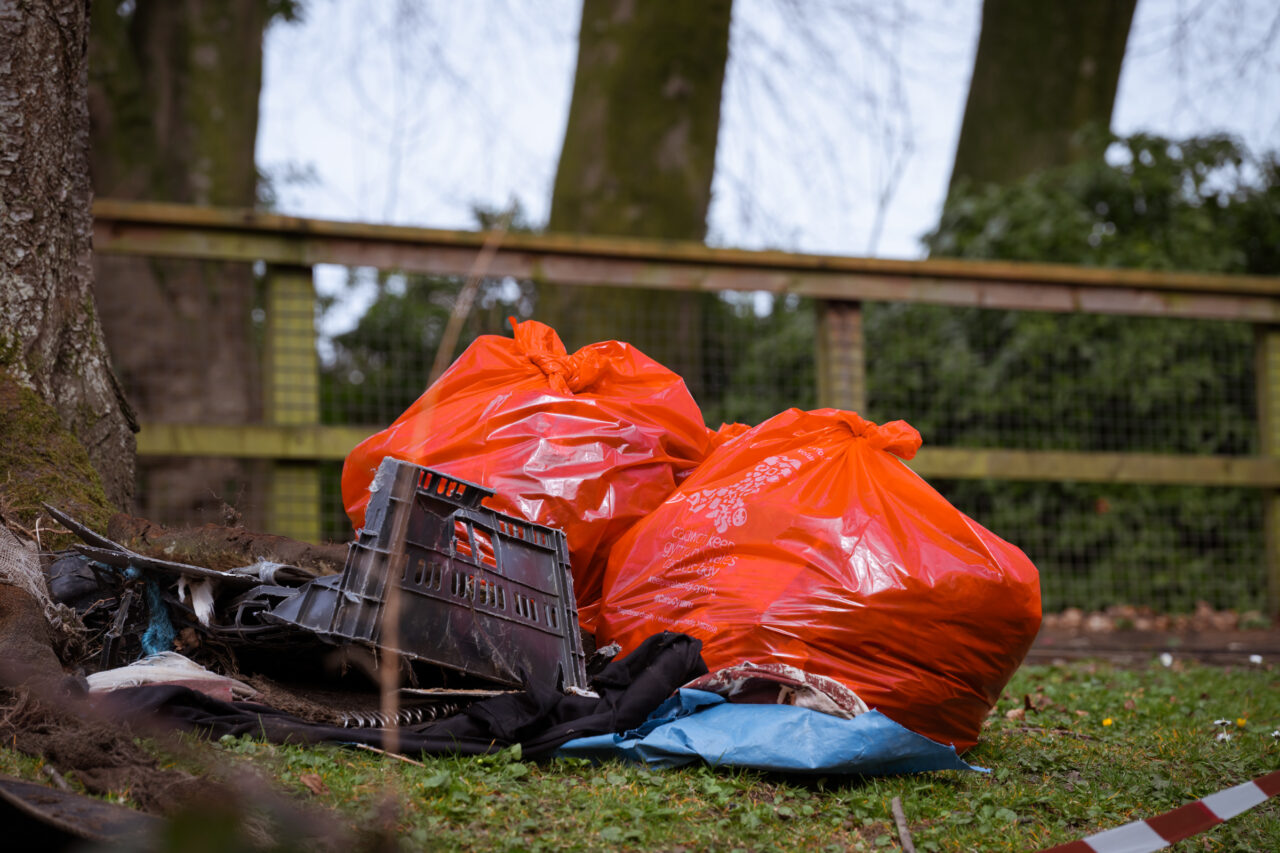
In 2025, 433 volunteers collected 548 bags of rubbish from the Constituency area across 238 activities, amounting to over 1050 volunteer hours.
2026 Data for Sir Gaerfyrddin
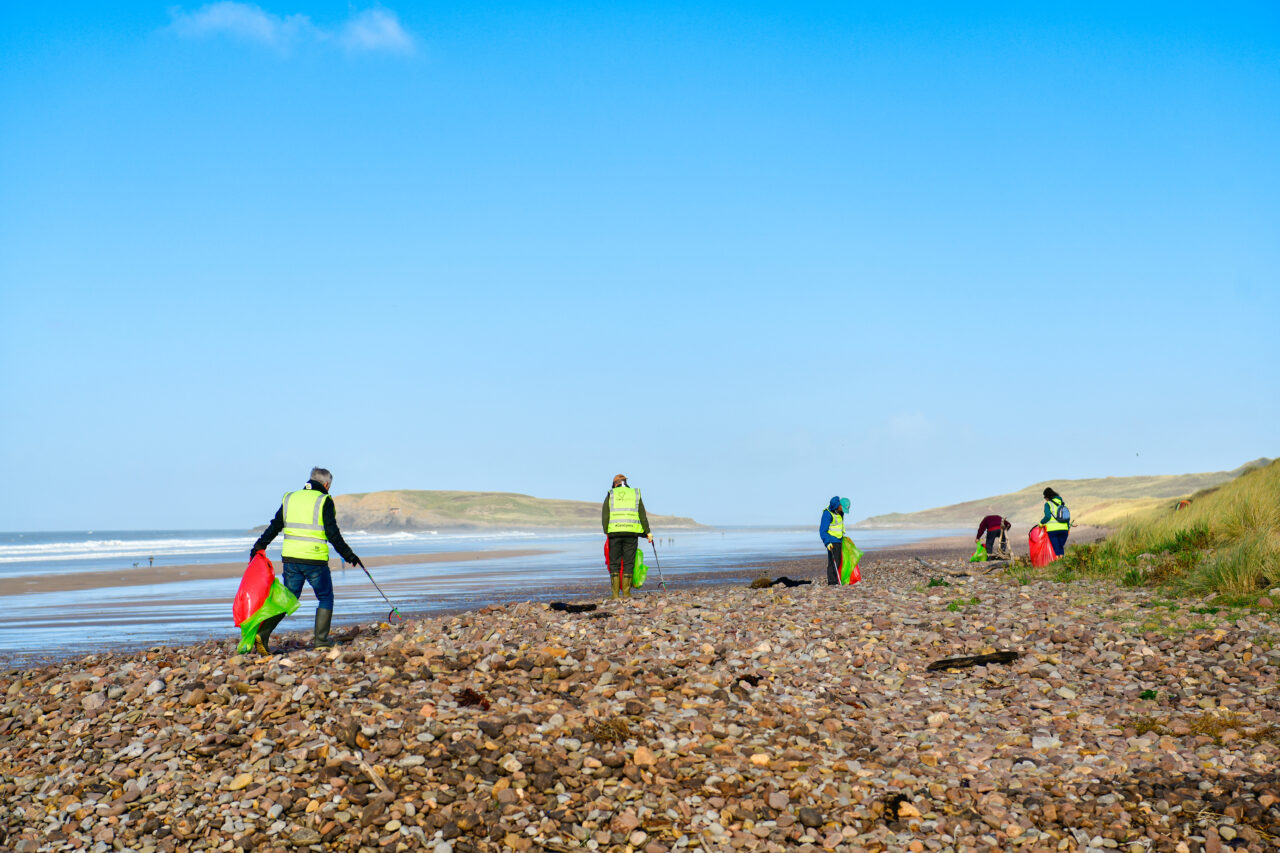
So far in 2026, 962 bags have been collected from the Constituency area and 169 litter picking activities have taken place with 333 participants.
What data does Keep Wales Tidy collect?
Keep Wales Tidy (KWT) have been undertaking litter monitoring for nearly two decades. Our newly expanded, statistically robust and continuous data collection and monitoring methodology (Geospatial Litter Analysis – GLÂN) was implemented in 2025,funded by the Welsh Government). This replaces the previous ‘LEAMS’ surveys. It is not an overstatement to say that this represents the most comprehensive litter and local environmental quality monitoring system in the world.
It is important to note that whilst we also collect some additional data from the many thousands of litter-picking volunteers across Wales, GLÂN is carried out by experienced staff surveyors and has been designed specifically to measure the impacts and progress of policy measures across the whole of Wales (and for each local authority area).
Through GLÂN, we collect data on 70+ categories of litter items as well as other Local Environmental Quality (LEQ) issues such as dog fouling, fly-tipping and graffiti. All types of public land (ie; Parks, streets, beaches) are surveyed with some exceptions limited by access or ownership. The levels of litter translate to a grading system which is commonly understood by Local Authorities and is linked to statutory guidance on cleanliness standards.
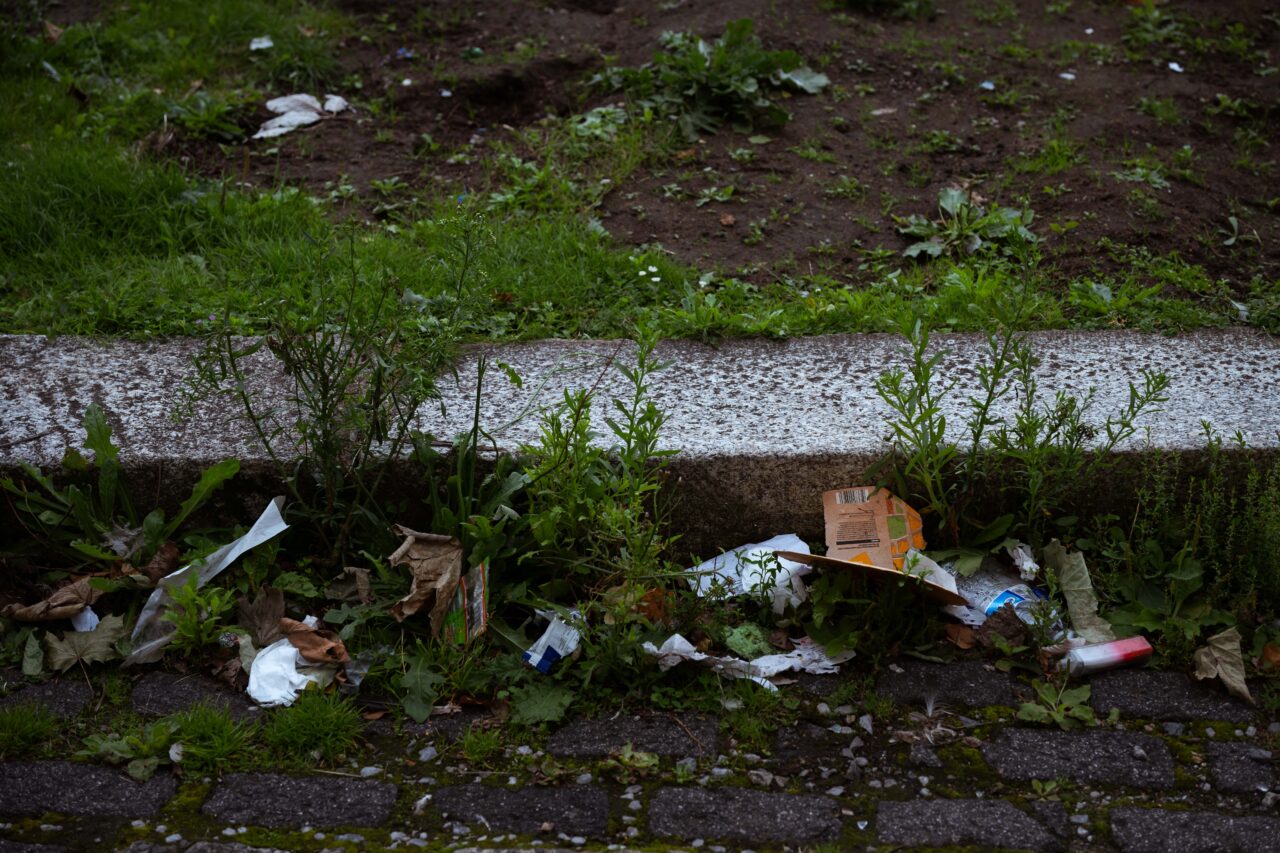
‘Live’ litter data for this year and summarised data from 2025 are available on the Keep Wales Tidy Litter Data page.
You can see our detailed individual current and past surveys through our Welsh Litter Index.
What are the current trends?
Whilst we have seen a general decrease since the baseline in 2007/ 08, certain types of litter have been increasing, mainly food and drink ‘on the go’ as well as new consumer trends such as vapes and N2O cannisters. Cleansing is a statutory function but has been badly affected by budget pressures in recent years and many councils have move to more reactive services – responding to complaints rather than being led by the data. This has led to an increasing disparity between areas with more deprived areas 2.6 times more likely to suffer from worse local environmental quality than more affluent areas.
Keep Wales Tidy are concerned that litter is increasing. In 2025, only 58 % of public spaces surveyed met ‘acceptable’ levels of cleanliness with Wales’s most deprived areas 2.6× more likely to fail the cleanliness threshold.
What do we use the data for?
Keep Wales Tidy work closely with Welsh Government and provide data for various officials. Predominantly, this is through the LEQ and DRS teams in Welsh Government who fund the system, but we also provide data to other departments such as the Substance Misuse team to help to target harm reduction efforts through Local Health Boards.
The data is shared with many stakeholders, including Local Authorities, and we have implemented a notification system to help them to respond to major issues as and when they arise, helping to shape operational efficiency. We are also engaging with other public landowners to increase collaborative working and partnerships.
Internally, the data is also shared with community officers who can help to direct volunteer efforts to where they are most needed (or create new groups). The Policy team that undertakes the surveys in Keep Wales Tidy are also behaviour change practitioners and use the data to advise on prevention activity on the ground and produce behaviour -led guidance papers to share best practice.
Would you like to discuss our data?
If you would like to discuss our data or would like more information, please get in touch:
Email us